Office fit out while occupied in Dubai: what it takes
Yes, most Dubai offices can be refitted while the team keeps working. What decides it is not floor area but the access you can get, the hours you are allowed to make noise, and how tightly dust is contained. Here is what an occupied fit-out involves and what to insist on before signing.
When an occupied fit-out beats vacating
Occupied works win when the lease has years left, when clients walk through reception, and when the team can shift into a temporary zone instead of a serviced office. They also win when the change is mostly partitions, joinery, finishes, meeting rooms, lighting and ceiling.
Vacating wins when plant is replaced, when the ceiling void has to be opened end to end, or when the layout moves so completely that every cable, duct and sprinkler head relocates. A strip back to slab means two moves and a great deal of protection, and an empty floor is cheaper.
Most jobs sit in the middle. Part of the floor stays live while part is stripped, which makes it a phased job. It needs a drawing showing which zone is dark in which week, agreed before the first skip arrives.
The access and approval layer
Approvals move slowly and owners underestimate them. You need the fit-out permit for the building, issued by Dubai Municipality on the mainland or the free zone authority in a free zone tower, plus Civil Defence review if partitions, ceilings or escape routes change, and the building management NOC before anything reaches site.
Then the building's own rules. Contractor inductions, named security passes, insurance and method statements submitted in advance, a booked loading bay slot, lift protection, and a works permit issued per shift. Some towers want all of it five working days ahead. Some run a portal with a hard cut off and reject a late submission without discussion. A contractor who has never worked in the building can lose the first week to paperwork.
The free site visit is where these constraints get established. We walk the floor, read the building's fit-out guide, photograph the loading bay and service lift, and check how the ceiling void is reached.
Out-of-hours, weekend and phased work
The programme is built around your operating hours, then the building's. Loud work such as coring, chasing, demolition and drilling into slab goes into nights and weekends. Quiet work, meaning joinery install, painting, ceilings with nothing drilled above them, glass screens and flooring, runs during the day inside a hoarded zone.
A weekday pattern we use often: hoarding up on Friday night, strip out and first fix across the weekend, inspection and making good early in the week, then a quiet run of finishes while the office works.
Phasing by zone beats phasing by trade. Zone A is handed back complete and clean before zone B is touched, so nobody spends three weeks beside a wet paint line. Meeting rooms, comms rooms and reception are hardest to release, so they are usually last, or built in two halves.
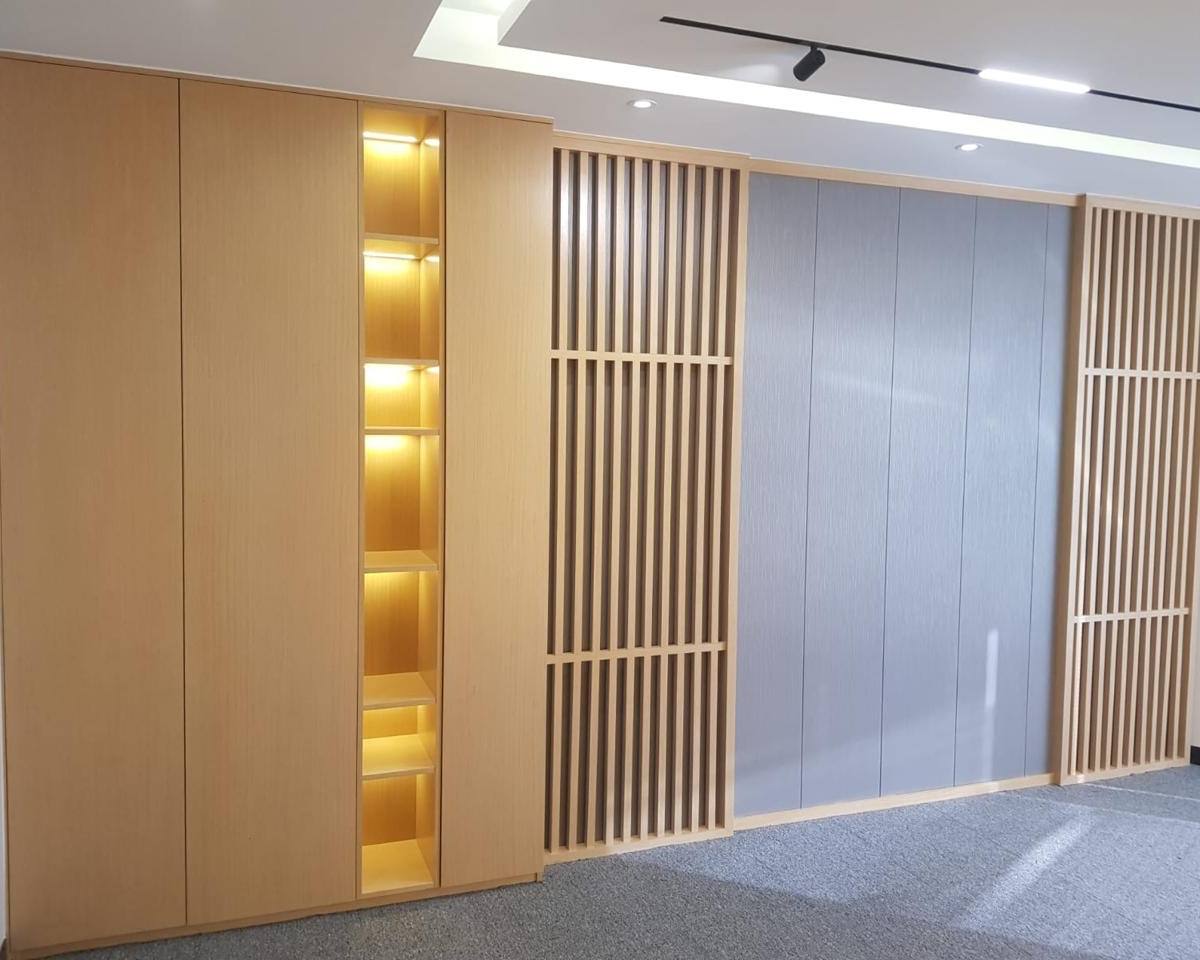
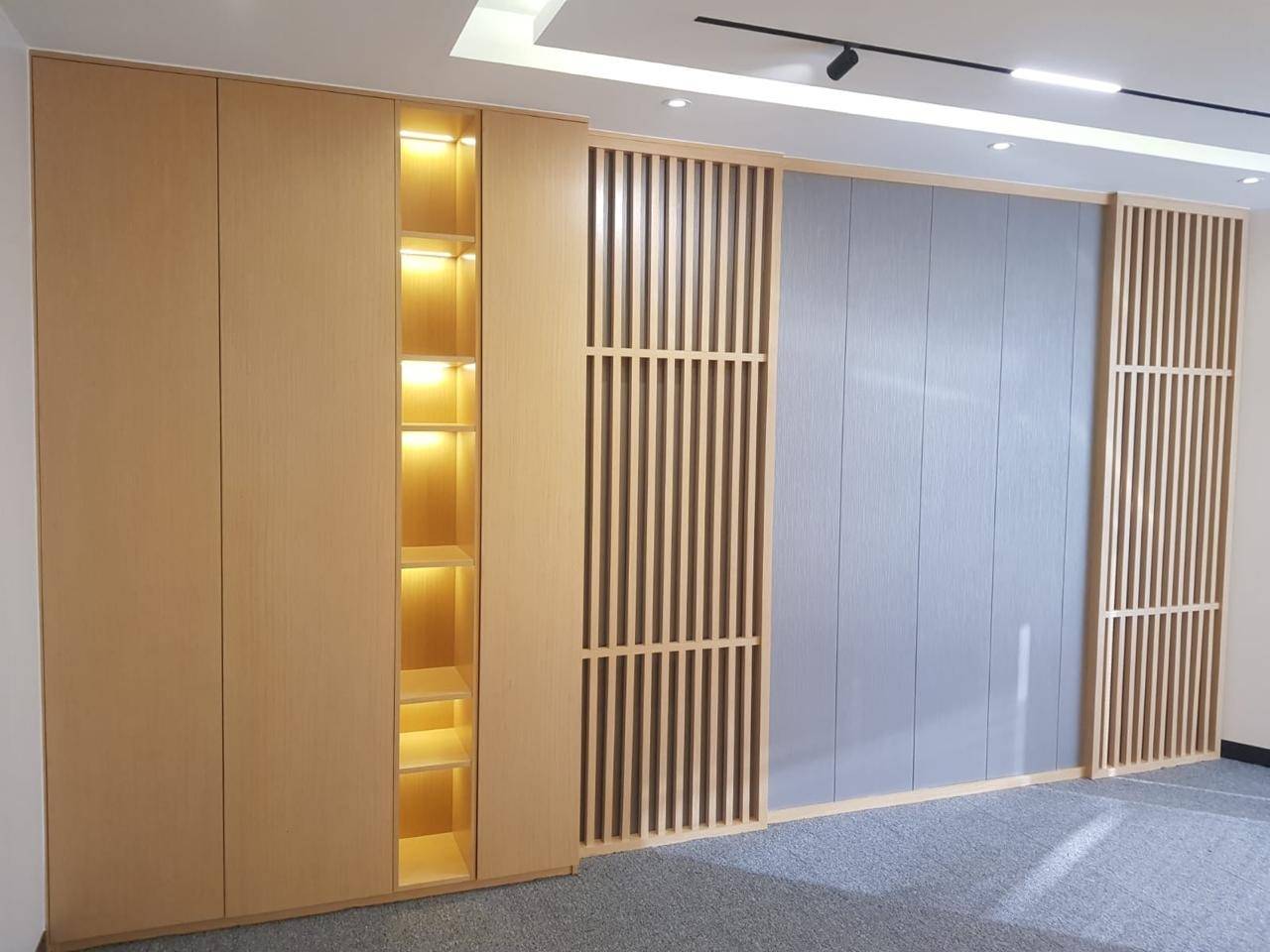
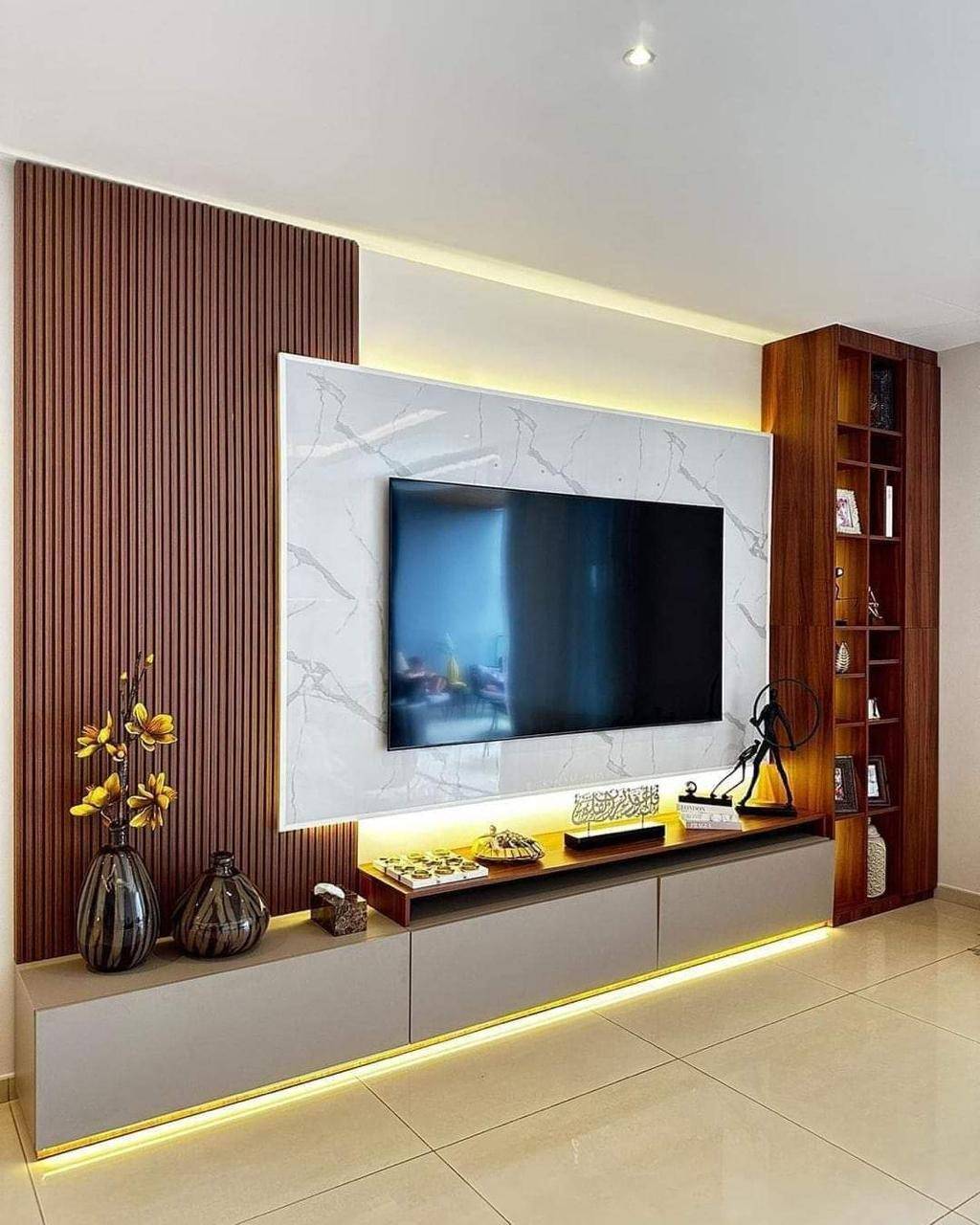 3D render, not built work: the design concept for a media wall, with slat spacing and LED coves agreed before anything is ordered.
Dust, noise and MEP risk above live desks
Dust is the usual failure. A hoarded zone with an open return grille pushes dust across the live floor all day. We seal returns and supply diffusers inside the work area, run negative pressure units venting somewhere safe, seal the live face of the hoarding, and wipe that face down every night.
Above the ceiling the risks are fire alarm and HVAC. Dust-generating work near detectors needs the zone isolated under permit with a fire watch present, never a detector taped over and forgotten. Sprinkler heads that move with a new partition need draining and re-commissioning. Air balancing happens after hours because it means walking the floor with a balometer and opening diffusers over desks.
Noise is easy to solve and easy to ignore. Agree the noisy window with your office manager, put the loud days on the shared calendar, and tell the neighbours below. Two complaints to building management stop a job faster than any technical problem.
Moving people, not just walls
The scope is never only construction. Desks move, and they usually move twice. We agree a temporary seat map with you, settle who sits where week by week, and keep a lockable store on site so personal items are not piled in corridors.
Temporary partitions and glass screens do most of the work. They keep a meeting room functioning in the middle of a build and can be reused in the final layout. IT and AV sit on the critical path rather than at the end. Data cabling, desk power and the comms room must be live when staff arrive, so cutovers happen on a Saturday and get tested before Monday.
"Excellent service, each service requested was delivered on time and it was exceptional! Surpassed my expectations!" Waleed Bukhari, 5/5
Our Google rating is 5 from 29 reviews, the detail clients check last and worry about most.
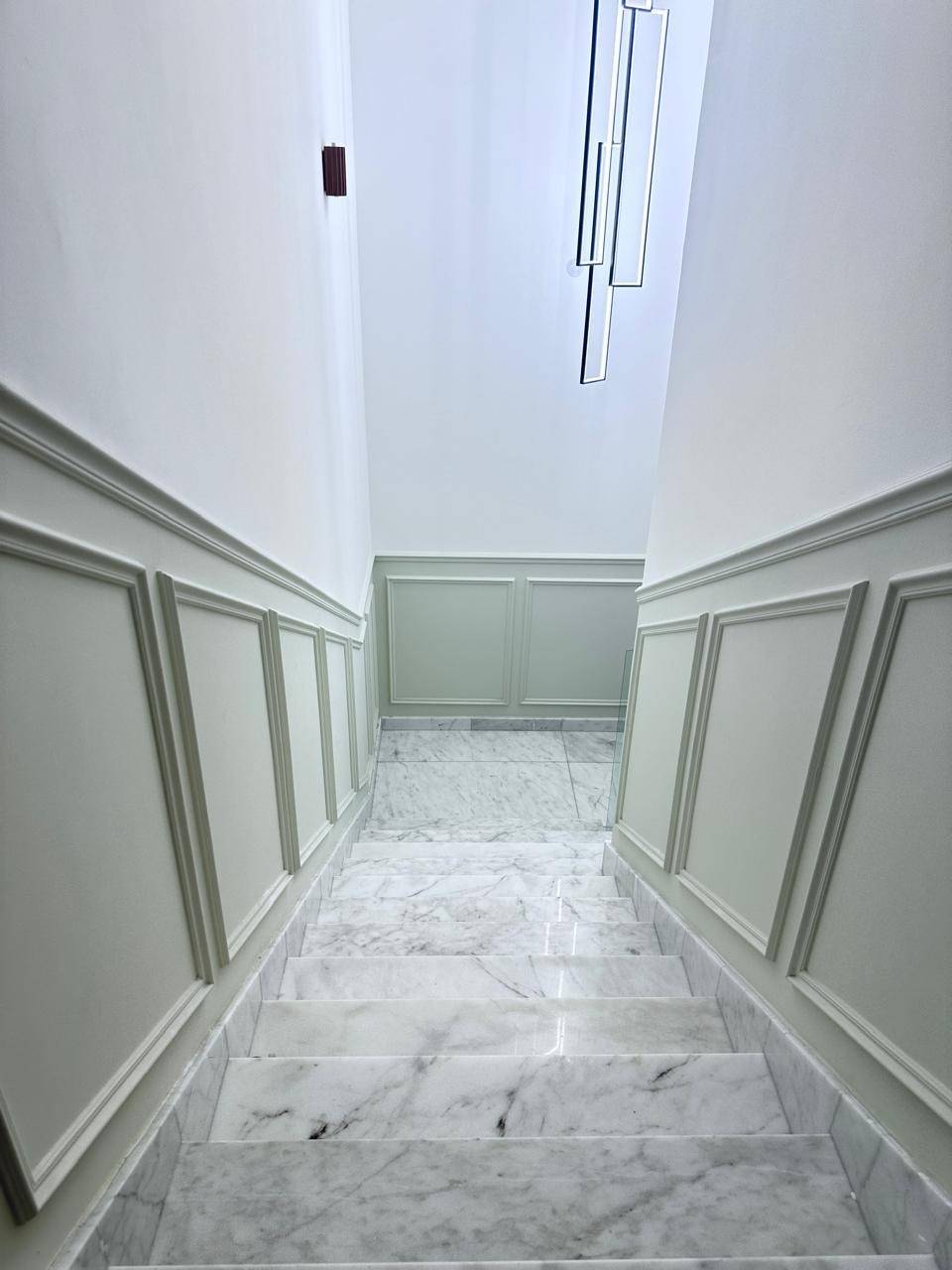 Freshly finished hallway handed over clean: marble treads, wainscoting and lighting, with all making good complete.
What a fair quote must itemise
An occupied quote should be longer than a vacant one and should read differently. If it looks like a standard CAT B price, the protections are missing and you will fund them later.
Look for these lines: hoarding, floor and lift protection; dust screens, negative pressure units and nightly cleaning of the live side; out-of-hours labour and supervision at the right rates; pass and induction administration; permit and NOC chasing; temporary power and lighting; fire watch during alarm isolation; waste removal in booked slots; making good to ceiling, carpet and paint along the hoarding line.
Price is driven by access, hours and protection, not finishes. A floor with one lift, a single loading bay, a 6pm cut off or a landlord who allows noisy work only in a four-hour night window costs more than the same drawings in a tower with a service lift and no restrictions. Anyone pricing without those constraints is guessing, which is why we quote turnkey office fit-out services after a site visit, not from a drawing alone. Our more fit-out guides go deeper on approvals and programme.
Red flags and questions to ask before signing
Ask which buildings the contractor has worked in and request the fit-out guide for one of them. Ask who chases the permit and NOC, and what happens to the programme when a method statement is rejected. Ask how the fire alarm gets isolated, who signs the permit and who watches the zone. Ask what happens if your team needs a zone back a week early.
Watch for one line for protection, an hourly rate identical at 2am and 2pm, no mention of the building's induction process, and no site visit before pricing. A contractor who says the building will not mind the noise is a warning. The building always minds.
To price your job, send the floor plan with desks marked, the building name and floor, your working hours and blackout dates, photos of the ceiling, the service lift and the loading bay, and the fit-out guide if you have it. WhatsApp is the fastest way to start on +971551288370. We look before we quote, and you can book a site visit for an occupied office fit-out in Dubai in the same message. See completed office fit-out projects if you want to judge the finish first.
Frequently asked questions
Can our team keep working during an office fit out in Dubai?
Yes, provided the floor is split into zones and the noisy trades move outside your busy hours. Staff work beside hoarding while one zone is stripped and rebuilt, then swap into the finished zone while the next one starts. The real constraint is access and noise permission from the building, not the construction itself.
Do we need a new permit and NOC if we already lease the floor?
Yes. A fit-out permit is separate from your trade licence, and it comes from Dubai Municipality or the free zone authority, with Civil Defence review if partitions, ceilings or escape routes change. The building management NOC and contractor inductions sit on top of that, and both must be in hand before material arrives.
How long does an occupied fit-out take compared with an empty floor?
Longer, because the programme follows your working hours and the building's noise windows. The number of zones, the volume of night work and the speed of permit approvals move the dates more than floor area does. We set a dated, zone by zone programme after the site visit, once those constraints are known.
Can the work be done only at night or only at weekends?
Yes, and it is common in towers with strict noise rules. All loud work moves into those windows, while quiet trades such as joinery, painting and glass screens stay in daytime. Out-of-hours labour and supervision cost more, so the quote should show those rates separately.
How do you stop dust reaching live desks?
We hoard the work zone, seal supply and return grilles inside it, run negative pressure units and seal the live face of the hoarding. The hoarding is wiped down nightly and waste leaves in booked slots rather than through the lobby. Detectors near dust work are isolated under permit with a fire watch on site.